Unfortunately, primary written sources on details of the siege are fairly thin. So archaeologists determined 22 years ago to start digging at the site to get a better idea of how the battle unfolded.
Come to the South Carolina Confederate Relic Room and Military Museum at noon on Friday, May 22, to learn about what they found. Archaeologist James Legg will deliver a free lecture on “The Siege of Fort Motte.” It is open to the public as part of the museum’s regular Noon Debrief program.
James Legg
The lecture will open with a summary of what is known about the siege itself.
The British Army had set up a number of supply depots in different spots in South Carolina in support of their efforts to hold on to what they still saw as their colony.
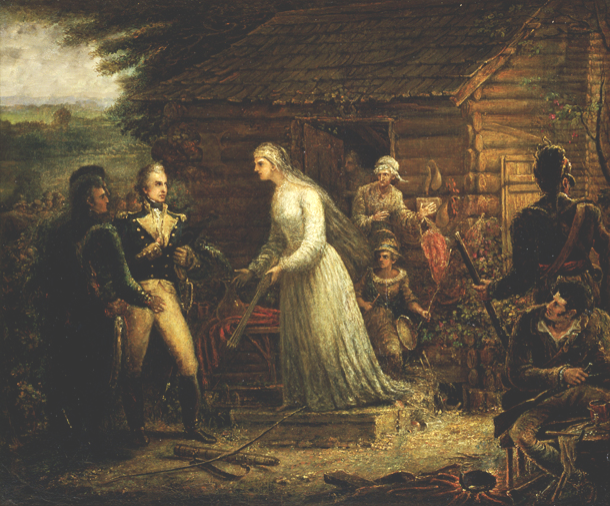
They decided to seize Mrs. Motte’s new home, which was conveniently located on a hill near the Congaree River, and turn it into one of those depots. They booted the widow and her family out, and fortified the house with such features as earthen ramparts and a seven-foot dry moat. It was manned by about 175 British regulars and Hessians.
Mrs. Motte moved to the nearby overseer’s house.
Marion and Lee set out with 450 men to take Fort Motte. They arrived and surrounded the place on May 8. After two days, Colonel Lee called on British commander Capt. Daniel McPherson to surrender. He refused.
The next day, Colonel Lee informed Mrs. Motte that he intended to burn her mansion down with flaming arrows to force the British out. The lady supported that plan. (Some say she also offered some arrows of her own for the purpose.) On May 12, the Patriots were close enough to hit the house with arrows, so they set the house on fire. By 1 o’clock that afternoon, McPherson surrendered.
Legg will offer further detail on the siege, much of it derived from his colleague Steve Smith’s book on the subject.
Before their archaeological work at the battle site two decades ago, about all historians had to go on regarding this siege were the memoirs of Harry Lee and some others who were there, and some material in Nathanael Greene’s papers. “That was it,” says James Legg. “Very little information on deployment or movements.”
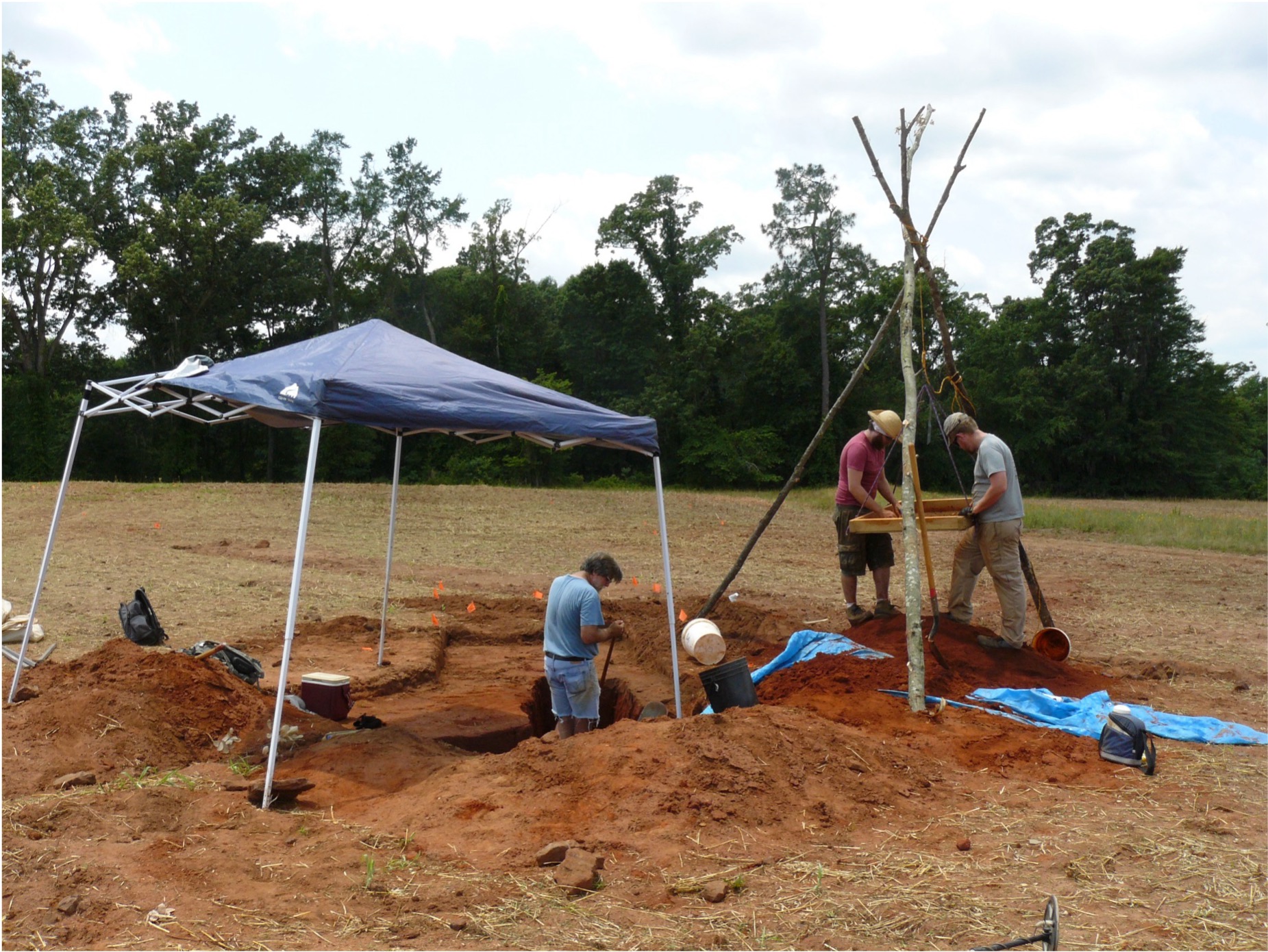
Armed with some funding from the National Parks Service, archaeologists arrived at the site in 2004 to try to flesh out the picture. All that could be seen aboveground was a Daughters of the American Revolution monument in the middle of where the house had once stood.
Initially, “Most of our info derived from intensive systematic metal detecting and test excavation,” says Legg. They found a lot, including siegeworks, the base of the Motte home’s chimney, and the location of an earthwork battery that mounted one American six-pounder gun.
Several years ago, the Relic Room displayed a comprehensive exhibit concerning Fort Motte and the archaeology, which ran for more than a year. Legg will tell more about that exhibit.
James Legg is an historical archaeologist specializing in battlefields and military material culture, with additional expertise in metal artifact conservation, archaeological metal detecting, and exhibit design. In 1993 he began working primarily for the SC Institute of Archaeology and Anthropology. His research has taken him to North Carolina, Virginia, Georgia, Florida, Mississippi, Louisiana, Barbados and France.
In honor of America’s 250th, the SC Confederate Relic Room & Military Museum has partnered with the South Carolina State Library to exhibit the Battle of Fort Sullivan.
John Adams was, at the time, certain that July 2 – the day the Second Continental Congress officially voted to sever ties with Great Britain – would always be celebrated by Americans as our Independence Day.